

If you're under persistent tension, your body may not have the ability to keep up with this extra glucose rise. Persistent stress might increase your risk of developing type 2 diabetes. The rush of hormonal agents, fast breathing, and increased heart rate can also distress your digestion system. Find Out More Here to have heartburn or acid reflux thanks to an increase in stomach acid. Stress doesn't cause ulcers (a bacterium called H. pylori frequently does), but it can increase your threat for them and trigger existing ulcers to break down. Stress can also impact the method food moves through your body, leading to diarrhea or irregularity.
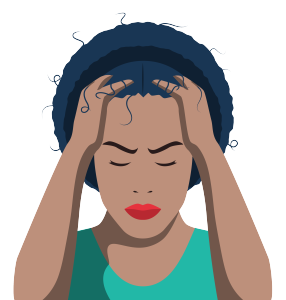

Your muscles tense up to secure themselves from injury when you're stressed out. They tend to release again when you unwind, but if you're constantly under tension, your muscles may not get the chance to relax. Tight muscles cause headaches, back and shoulder discomfort, and body aches. Over time, this can set off an unhealthy cycle as you stop exercising and rely on discomfort medication for relief.
Tension is tiring for both the mind and body. It's not uncommon to lose your desire when you're under constant stress. While short-term tension might trigger men to produce more of the male hormone testosterone, this effect does not last. If stress continues for a long time, a guy's testosterone levels can start to drop. This can interfere with sperm production and cause impotence or impotence. Persistent tension might likewise increase risk of infection for male reproductive organs like the prostate and testes. For females, tension can affect the menstruation. It can lead to irregular, heavier, or more painful durations.

Stress promotes the body immune system, which can be a plus for instant situations. This stimulation can assist you avoid infections and recover wounds. However over time, tension hormones will compromise your immune system and lower your body's reaction to foreign intruders. Individuals under chronic stress are more prone to viral diseases like the flu and the typical cold, in addition to other infections. Tension can also increase the time it takes you to recover from a health problem or injury.
 0
0  Star
Star